
The Secret to a Comfortable Home: The Power of Attic Insulation
Have you ever wondered why some homes stay refreshingly cool during blistering heatwaves and comfortably warm during cold snaps, while others struggle to maintain a stable temperature? The answer often lies hidden above our heads—in the attic insulation.
Far from being just padding in your roof, proper insulation can transform your home into a fortress of comfort and efficiency. In this journey through the attic, we’ll unravel the myths and truths about insulation materials, from the light touch of fiberglass batts to the robust embrace of foam insulation.
What Is Attic Insulation?
Attic insulation is a material used to regulate a home’s temperature by slowing down heat transfer—keeping heat out in the summer and trapping warmth inside during the winter. This ensures your home stays cooler when it’s hot outside and warmer when it’s cold.
Why Is Attic Insulation Important?
- Temperature Regulation: It keeps your home warmer in the winter and cooler in the summer.
- Energy Efficiency: Reduces the strain on heating and cooling systems, leading to lower energy costs.
- Moisture Control: Helps prevent moisture and thermal issues, prolonging the life of your roof and attic structures.
Types of Attic Insulation
There are several types of insulation suitable for attics, each with its own set of benefits and considerations.
1. Fiberglass Batt Insulation
This common type of insulation consists of fine glass fibers and is often found in pre-cut panels. It’s typically installed between the joists and studs in attic spaces.
Pros:
- Cost-effective and widely available.
- Relatively easy to install, making it suitable for DIY projects.
- Non-flammable and resistant to moisture damage.
Cons:
- Can irritate the skin and lungs, requiring safety gear during installation.
- Gaps in installation can reduce efficiency.
- Compresses over time, diminishing its insulative properties.
Installation:
- Measure and cut the batts to fit snugly between joists and rafters.
- Ensure the vapor barrier faces the correct direction (toward the home’s interior).
- Fit batts tightly without compressing them to maintain their R-value.
2. Blown-In Insulation
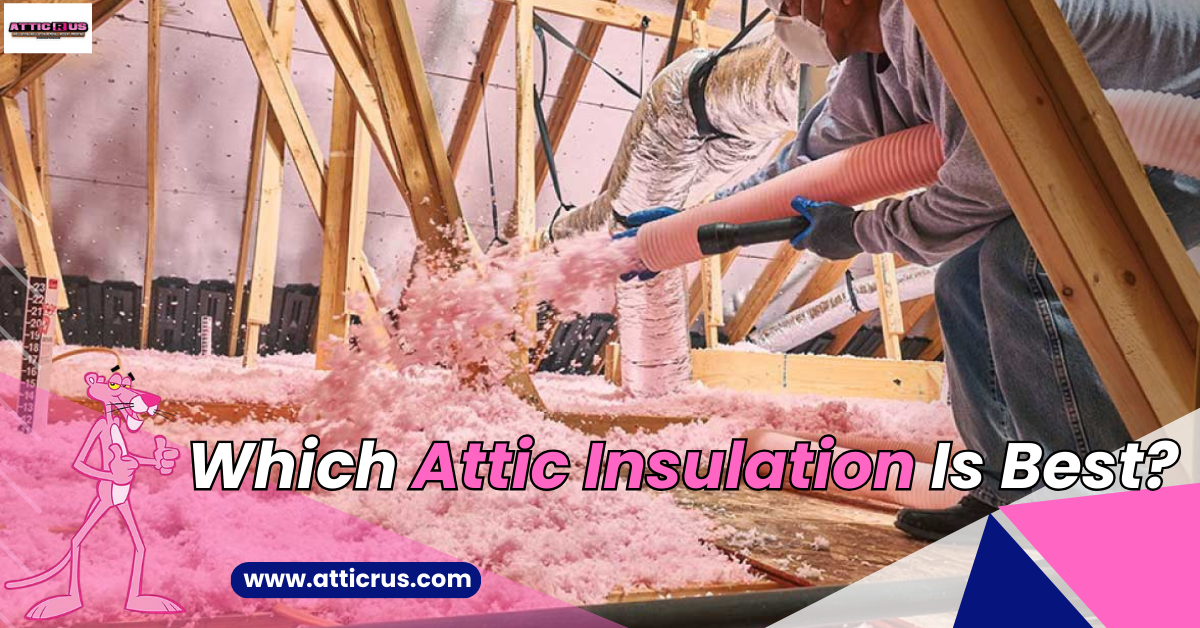
Blown-in insulation, typically made of fiberglass or cellulose, is applied using a blowing machine. It’s ideal for attics with irregular joist spacing or lots of obstructions.
Pros:
- Provides more complete coverage than batts, reducing gaps and cold spots.
- Flexible installation works well in attics with irregular shapes.
- Can sometimes be layered over existing insulation.
Cons:
- Typically requires professional installation.
- May settle over time, potentially reducing effectiveness.
- Cellulose variants can be prone to moisture problems and may require additional fire retardant.
Installation:
- Professional installation is recommended, involving the use of a specialized machine to spread the insulation evenly.
- Achieve the recommended depth and density for optimal thermal resistance.
3. Foam Insulation
Foam insulation includes materials like spray foam or rigid foam boards. Spray foam expands to fill gaps, offering high insulative value and air sealing.
Pros:
- Provides both insulation and air sealing.
- High R-value per inch compared to other materials.
- Does not settle or degrade over time like other types.
Cons:
- More expensive than other forms of insulation.
- Requires specialized equipment and expertise for installation.
- Some types of foam insulation can emit harmful fumes during installation.
Installation:
- Due to its complexity and safety considerations, foam insulation should be installed by professionals.
- The process typically involves spraying liquid foam between rafters or onto attic floors, where it expands and hardens.
- Proper ventilation and mask usage are essential due to fumes.
Choosing the Right Attic Insulation
Here are key factors to consider when selecting insulation:
- Climate: Insulation needs vary depending on the local climate. In colder regions, a higher R-value is essential to retain warmth, while in warmer climates, the focus may be on reflecting heat away.
- Home Design: The layout and age of your home can influence the best type of insulation. Older homes might benefit from blown-in insulation to fit into uneven spaces or around existing structures.
- Insulation Material: Each material has its strengths. Fiberglass is affordable, cellulose is eco-friendly, and foam provides excellent air sealing. Consider long-term benefits and potential cost savings.
- Installation: Some insulation types are easier to install than others. DIY enthusiasts might prefer batt insulation, but for complex installations, hiring a professional is advisable.
- Budget: The cost of materials and installation varies. While it might be tempting to choose the cheapest option, investing more upfront can lead to significant energy savings over time.
- Energy Goals: If reducing your carbon footprint is a priority, eco-friendly materials like cellulose or highly efficient options like spray foam may be the best choice.
Installing Attic Insulation
- DIY Attic Insulation Installation: Suitable for simpler forms like batt insulation, provided you follow safety guidelines and correct installation techniques.
- Hiring a Professional Attic Insulation Installer: For more complex installations like blown-in or spray foam, or to ensure the highest efficiency and safety standards, hiring a professional is recommended.
Wrapping Up
Choosing the right attic insulation is a crucial decision that impacts not only your comfort but also your long-term energy savings. While exploring your options, the insight and expertise of a professional team can make all the difference. At Attic R Us, we’re ready to assist, offering experienced advice and precise installation services to ensure your attic is not just insulated but optimally insulated.